Tamara Alvarez (The New School for Social Research)
Tamara Alvarez is a Teaching Fellow and a PhD candidate in Anthropology at The New School for Social Research. Since 2016 Alvarez has been doing research at several space institutions, most notably the European Space Agency. Her research project, “Living on the Moon: Humans as Interplanetary Species,” focuses on the legal, political, and sociotechnical practices that are transforming the Moon into an extractive site and a home for humans. Alvarez has taught courses in Global Studies, Anthropology, and Transdisciplinary Design and has spoken at the European Space Research and Technology Center, University College London, and Strelka Institute, among others. Alvarez is member of the Space Generation Advisory Council’s Space Law & Policy Working Group and the Moon Village Association. Currently, she collaborates with the International Lunar Exploration Working Group in the Swiss Space Center’s IgLuna project.
Nelly Bekus (University of Exeter)
Nelly Bekus is a Lecturer in the Faculty of Humanities, Arts and Social Sciences at the University of Exeter. Previously, she was a visiting scholar at Harvard University and Assistant Professor at the University of Warsaw. In her work she explores the social and cultural workings of outer space in the context of global semi-peripheries and the connections between space technopolitics and postcolonial statecraft and nation building. Recent publications include “Outer space technopolitics and postcolonial modernity Kazakhstan” (Central Asian Survey 2021), “Baikonur as a Sacrifice Zone: Eco-nationalism, Sovereignty and Outer Space” (forthcoming), “Emerging space power in Central Asia: Kazakhstan at the Crossroad” (Near East Policy Forum 2022).
Mia Bennett (University of Washington)

As a political geographer with geospatial skills, Mia Bennett researches the geopolitics of infrastructure development in two areas commonly thought of as frontiers: the Arctic and orbital space. She is interested in particularly interested in satellites, their imagery, and the terrestrial infrastructure, such as spaceports and ground stations, being erected to support their usage. Mia is an associate professor of geography at the University of Washington. Previously, she taught at the University of Hong Kong. Her first book, co-written with Klaus Dodds, is called Unfrozen: The Fight for the Future of the Arctic and will be published in autumn 2026 by Yale University Press.
Giles Bunch (University College London)
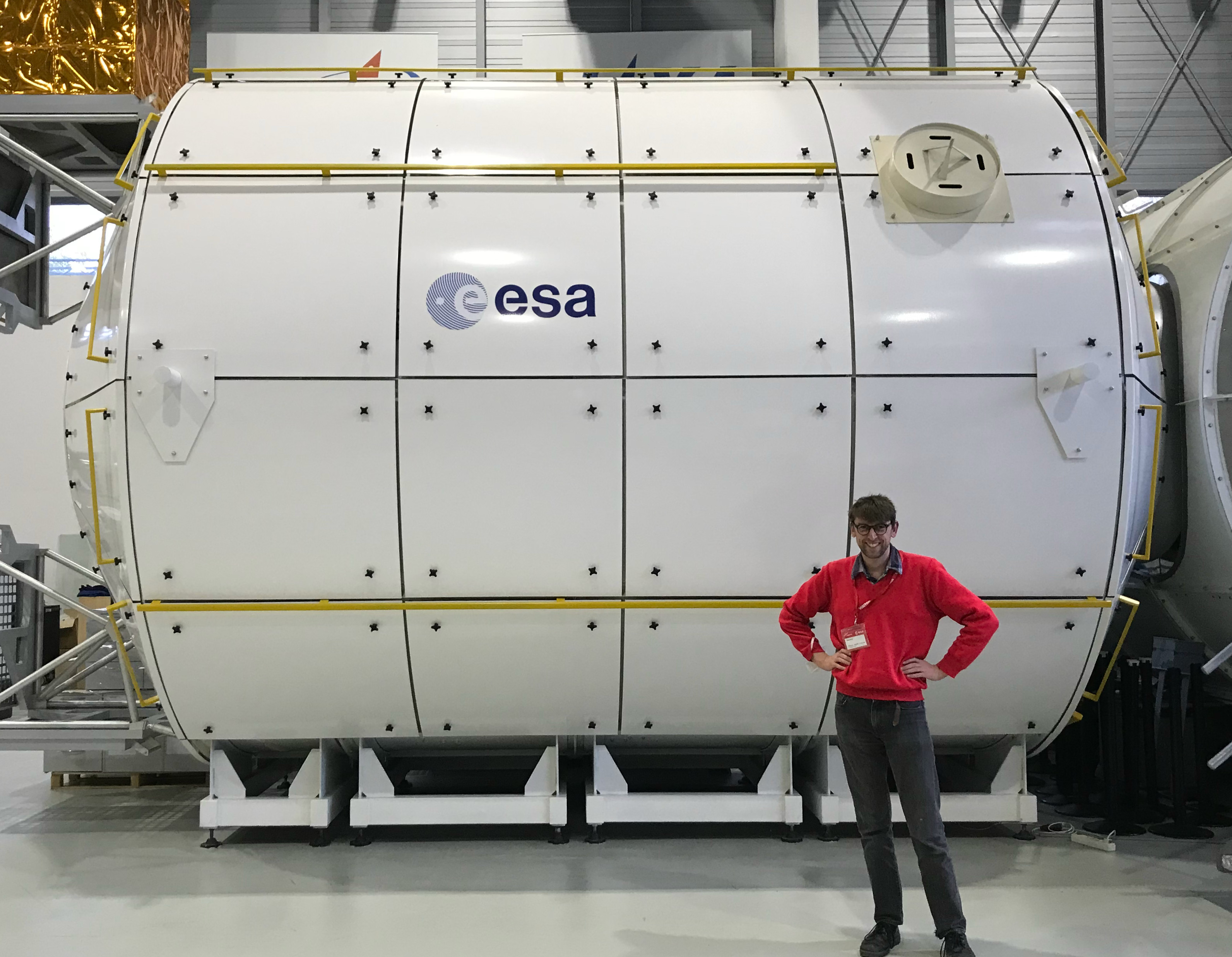
Giles is a Postdoctoral Fellow in Anthropology at University College London and researcher on the ETHNO-ISS project. His research looks at human spaceflight in the European context, focussing on value production, organisation, and training amongst flight controllers and instructors supporting the International Space Station project.
Nicholas Campion (University of Wales Trinity Saint David)
Nicholas Campion is Associate Professor in Cosmology and Culture, Principal Lecturer in the Institute of Education and Humanities and Director of the Sophia Centre for the Study of Cosmology in Culture at the University of Wales Trinity Saint David, the only academic centre in the world to consider humanity’s relationship with the sky. He is Programme Director of the University’s MAs in Cultural Astronomy and Astrology, and Ecology and Spirituality. He has co-edited four volumes of proceedings of conferences of the European Society for Astronomy in Culture (SEAC) and is the editor of Culture and Cosmos, the journal on the history of cultural astronomy and astrology. His edited volumes include Heavenly Discourses (Sophia Centre Press 2016) and Imagining Other Worlds (with Chris Impey, Sophia Centre Press, 2018). Current projects include the six volume Cultural History of the Universe (Bloomsbury, forthcoming), for which he is General Editor, with Richard Dunn, of the Science Museum. Website here.
Paola Castaño (Cardiff University)
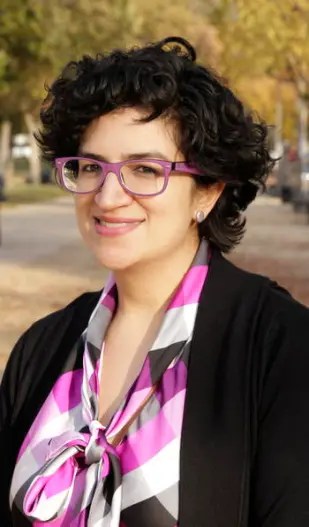
Paola Castaño is a Newton International Fellow funded by The British Academy at Cardiff University. Her fields of research are sociology of science and knowledge, epistemology of the social sciences, human space exploration, art and science, sociology of morality, and public communication of astronomy. She is currently working on a book about the meanings and valuations of scientific research on the International Space Station. On the basis of ethnographic work following the life course of experiments sent to the station, the book examines the fields of particle physics, plant biology and biomedical research. She has a PhD in sociology from the University of Chicago and has been a postdoctoral researcher at the Smithsonian Air and Space Museum in Washington DC, the Free University of Berlin, and Waseda University in Tokyo.
Eleanor Armstrong (University of Leicester)

Eleanor S Armstrong is a Space Research Fellow at the University of Leicester, UK, where she is building the Constellations Lab (on Outer Space & Feminism). The overarching focus of her research is on the coproduction of physical sciences and culture. Her primary research focuses on queer feminist approaches to social studies of outer space, particularly the presentation of femininities, feminisms, and femmes in public discourses and education about outer space. With Dr Divya M Persaud she built the conference Space Science in Context, a conference to connect scientists, humanities scholars, and activists working out the social situatedness of outer space. With designer Akvilė Terminatė, Armstrong runs EXO-MOAN a design studio that explores sex, intimacy, care, and consent in the contexts of outer space
More about her work can be found at:
https://ellietheelement.squarespace.com/ and https://le.ac.uk/people/eleanor-armstrong
Felipe Cervera (University of California, Los Angeles)
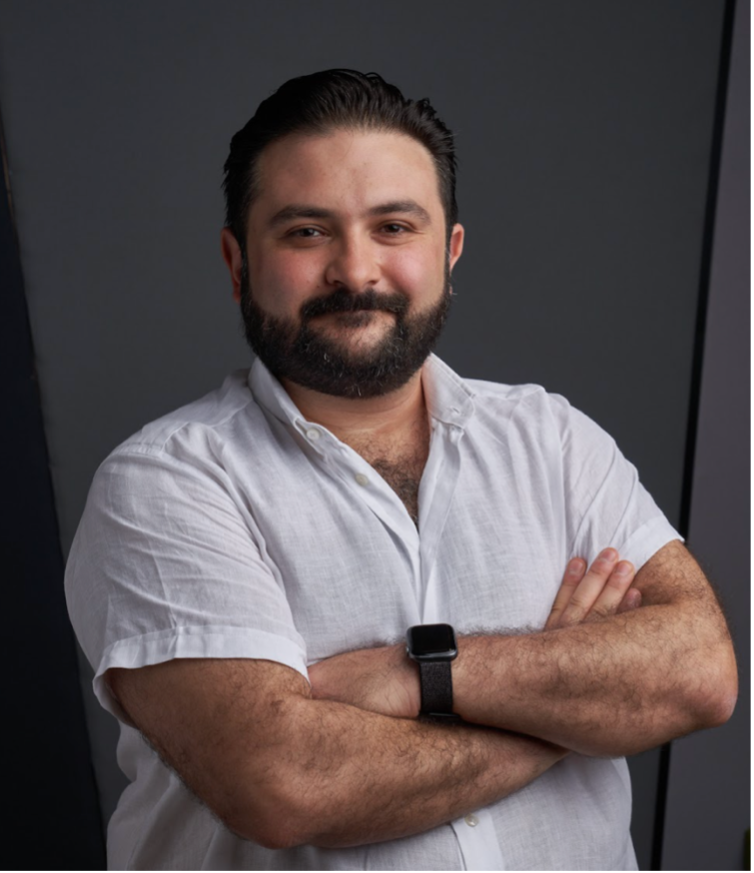
Felipe Cervera is the Director of the Centre for Performance Studies and an Assistant Professor of Theatre and Performance Studies at UCLA. His research interests include the politics of space art and the intersection between the performing arts and astronautics. More about his work can be found at http://www.felipecervera.me and http://www.performingplanets.com
Frangton Chiyemura (Open University, UK)

Dr Frangton Chiyemura is a Lecturer in International Development at the Open University, UK. His research focuses on the role of China in Africa’s development trajectories and he is particularly interested in Chinese financing and development of ‘critical infrastructure’ (renewable energy, space infrastructure, telecommunications, transport, and recently, the Belt and Road Initiative) in African countries and how such projects contribute to inclusive growth and structural economic transformation. At the moment, he is working on Chinese participation in the development of Africa’s space infrastructure.
Elena Ćirković (University of Helsinki)
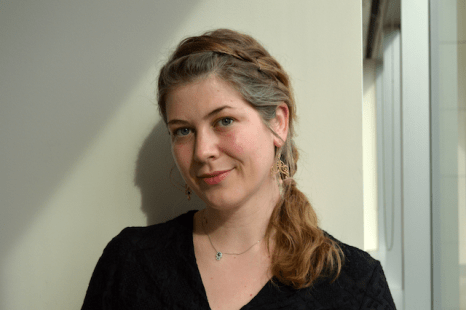
Dr. Cirkovic is a legal scholar currently working on her project at the University of Helsinki (2022, Max Planck Institute Luxembourg for International, European and Regulatory Procedural Law), entitled “Anthropocentrism and Sustainability of the Earth System and Outer Space (ANTARES)”. The project aims to connect Earth System and Outer Space with the application of complex systems approaches, critical theory, and posthuman approaches in contemporary thought. Her work has been funded by Kone Foundation of Finland, Arctic Avenue, administered by the University of Helsinki and Stockholm University, and the Minerva Center for the Rule of Law under Extreme Conditions at the University of Haifa. Dr. Cirkovic has a transdisciplinary background, and her work focuses on international public and private law, outer space law, climate law, human rights, critical theory and philosophy, as well as sustainable design, architecture, and arts.
Michael Clormann (University of Hamburg)

Michael Clormann is an innovation researcher and knowledge exchange practitioner at the University of Hamburg. Formerly he was a research associate at the Friedrich Schiedel Endowed Chair of Sociology of Science and the Munich Center for Technology in Society at the Technical University of Munich. In his PhD project concluded in October 2021, he conducted research on the narratives and practices of innovation and sustainability in the European space sector in the “New Space Age”. His research focus is the phenomenon of space debris and its increased relevance through recent technological, political and ecological developments in (human) spaceflight and beyond. He was a lecturer in two of the Technical University of Munich’s engineering programs – cooperating with current and future aerospace engineers. In his capacity as a knowledge exchange professional, he has cooperated with space industry players in conducting stakeholder workshops. Additionally he has been working as a freelance journalist covering aerospace related topics since 2012. His research interests include sustainability and innovation practices in (human) spaceflight, ontologies and epistemologies of planetary space applications, and securitization of space debris in the New Space Age (with Nina Witjes).
Jörg Matthias Determann (Virginia Commonwealth University)
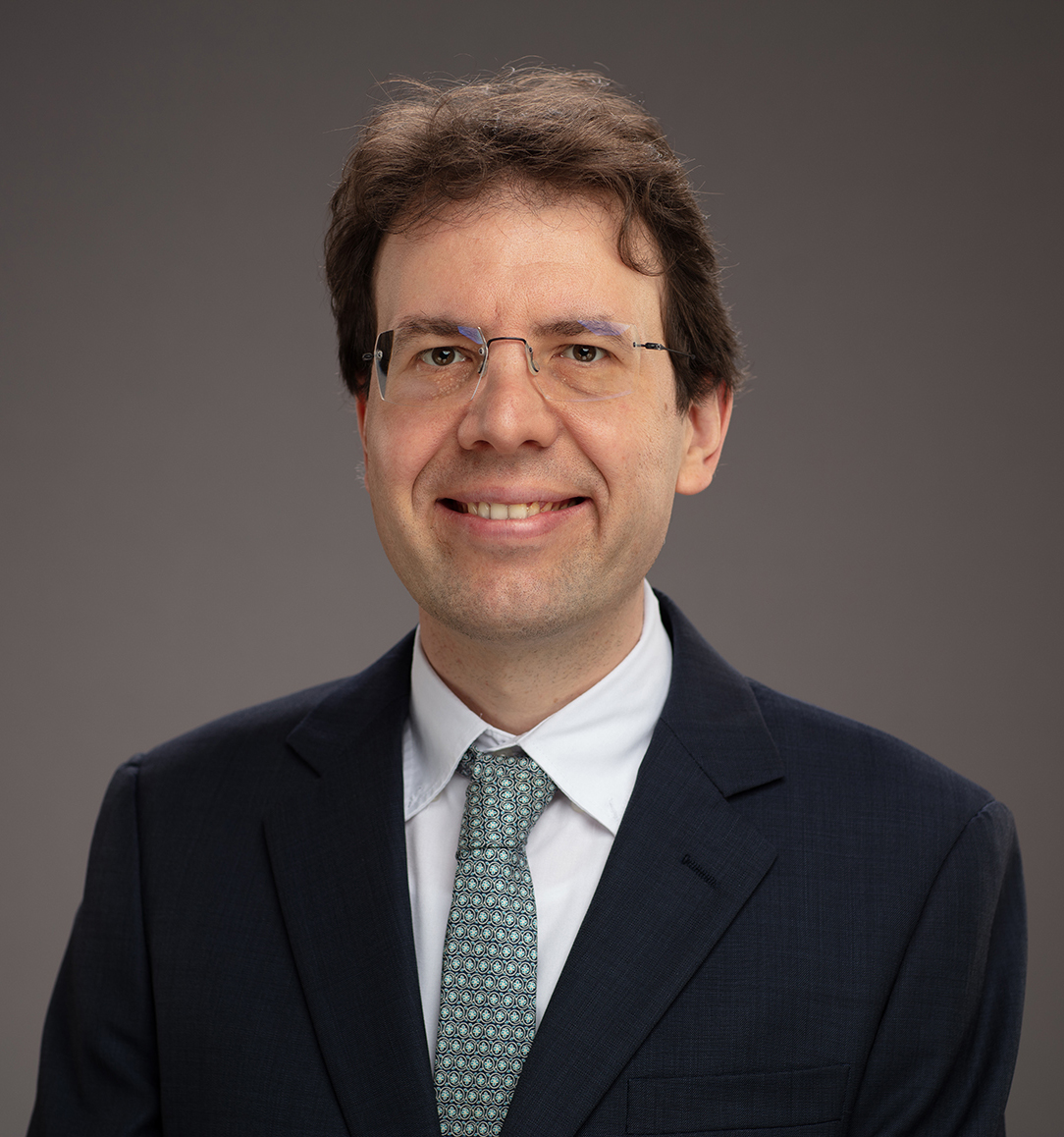
Jörg Matthias Determann is Professor in the Department of Liberal Arts and Sciences at Virginia Commonwealth University in Qatar. He also serves as Associate Editor of the Review of Middle East Studies and as Book Review Editor of the Journal of Arabian Studies. Previously, Determann worked as a postdoctoral researcher at Zentrum Moderner Orient and the Berlin Graduate School Muslim Cultures and Societies, Freie Universität Berlin, Germany. He also taught at King Saud University and was a visiting scholar at the King Faisal Center for Research and Islamic Studies in Riyadh, Saudi Arabia. He holds a doctorate from the School of Oriental and African Studies (SOAS), University of London, and two master’s degrees from the University of Vienna, Austria. He is the author of the following five books: Diversity, Equity, and Inclusion in Astronomy; Islam, Science Fiction and Extraterrestrial Life; Space Science and the Arab World; Researching Biology and Evolution in the Gulf States; and Historiography in Saudi Arabia. He is currently writing a book about the history of teaching science with science fiction.
Peter Dickens (University of Cambridge)
Based with the Department of Sociology at the University of Cambridge, for the last 15 years I have been studying outer space from a sociological perspective. My work has examined (1) the social and economic processes underlying the humanisation of the cosmos, (2) the emerging space industries and their implications for ground-based labour-forces, (3) the impacts on the body of space-humanisation, (4) the relationships between space programmes and artistic representations. My work has been widely published, often in close collaboration with James Ormrod. See in particular our Cosmic Society (Routledge 2007) and The Palgrave Handbook of Society, Culture and Outer Space (2016).
Réka P. Gál (Technical University of Munich)
Réka Patrícia Gál is a Postdoctoral Researcher and feminist technoscience scholar at the Department of Science, Technology and Society at Technische Universität München. Her research has focused on the genealogies of technological maintenance and care labor related to US American human spaceflight, examining the implications of human-machine interdependence in outer space in relation to issues of labor and environmental justice. Her latest research project explores the environmental politics of green propellant development. She is the co-editor of Earth and Beyond in Tumultuous Times: A Critical Atlas of the Anthropocene (meson press, 2021).
Taylor R. Genovese (Dutchess Community College)

Taylor R. Genovese was a doctoral student in the Human and Social Dimensions of Science and Technology program at Arizona State University, where he was pursuing his interest in the social imaginaries of human futures on Earth and in outer space. His dissertation work focused on producing a genealogy of futurist discourse surrounding human immortality and space travel. He traced the legacy of these ideas from the Proletkult movement as well as from the Russian Cosmists, a loose-knit esoteric political-spiritual-artistic group operating in the decades surrounding the Russian Revolution. He is interested in the ways in which utopian ideas rooted in human solidarity get transmuted into the egocentric dreams of the wealthy through declensionist narratives. You can find out more at taylorgenovese.com or on Twitter at @trgenovese.
Jenia Gorbanenko (University College London)

Jenia Gorbanenko is a postdoctoral fellow in anthropology at UCL and part of the ETHNO-ISS research team. She specialises in the nascent field of anthropology of religion in space. In her doctoral research, she interrogates the Russian Orthodox Christian perspective on space exploration. Prior to joining ETHNO-ISS, Jenia researched the post-Soviet religious revival in Russia. She has co-edited an open access volume Exploring Ethnography of Outer Space: Methods and Perspectives and is currently working on turning her PhD thesis into a book. Website: https://jenia.gorbanenko.space
Julia Heuritsch
Julia Heuritsch studied Astronomy at the University of Vienna, the Australian National University and Leiden University. By the time she finished her Master she had become unhappy with the “publish or perish system” prevailing in science and subsequently changed to Science and Technology Studies. She then worked as a junior researcher at the Centre for Science and Technology Studies (CWTS, Leiden) for 2 years. In collaboration with Statistics Netherlands (CBS) she performed a quantitative study on the career patterns of doctorate holders. Additionally, she studied their employability. During those years she developed her main project, which is a quantitative and qualitative study of the effects of indicator use in research evaluation on knowledge production in Astronomy. Since 2018 she has been working on that topic as a PhD candidate at Humboldt Universität zu Berlin in the field of Science Studies. She is a member of the junior research group “Reflexive Metrics” and the Berlin Graduate School of Social Sciences (BGSS). Julia’s doctoral dissertation ‘Reflexive Metrics: Reactivity and Practices of the Evaluation Culture in Astronomy’ can be viewed here.
David (Jeeva) Jeevendrampillai (University of Manchester)
Dr David (Jeeva) Jeevendrampillai is an Anthropologist of Outer Space. His work concerns people’s sense of relation to place, and more specifically how people develop political efficacy to speak on behalf of place. This ranges from issues of the local to groups who form political relations to the planet or the cosmos. His current research examines the curation, narration and use of Earth Imagery from the International Space Station. He is interested in the anthropology of the future, technology and modernity, the politics of knowing place and emergent conceptions of the human and the body, particularly concerning technology and data. His interests encompass but are not limited to discussions on, community, democracy, land rights, post-cosmopolitanisms and colonialism. He is interested in bringing together the wide array of academic disciplines involved in space science to engage in a critical discussion around outer space. He has consulted to industry with regard to design of space habitats, simulated space missions and crew dynamics. He has provided evidence summaries for the development of space policy and seeks to facilitate the use of anthropology within communities, policy and industry.
Anne W. Johnson (Universidad Iberoamericana)
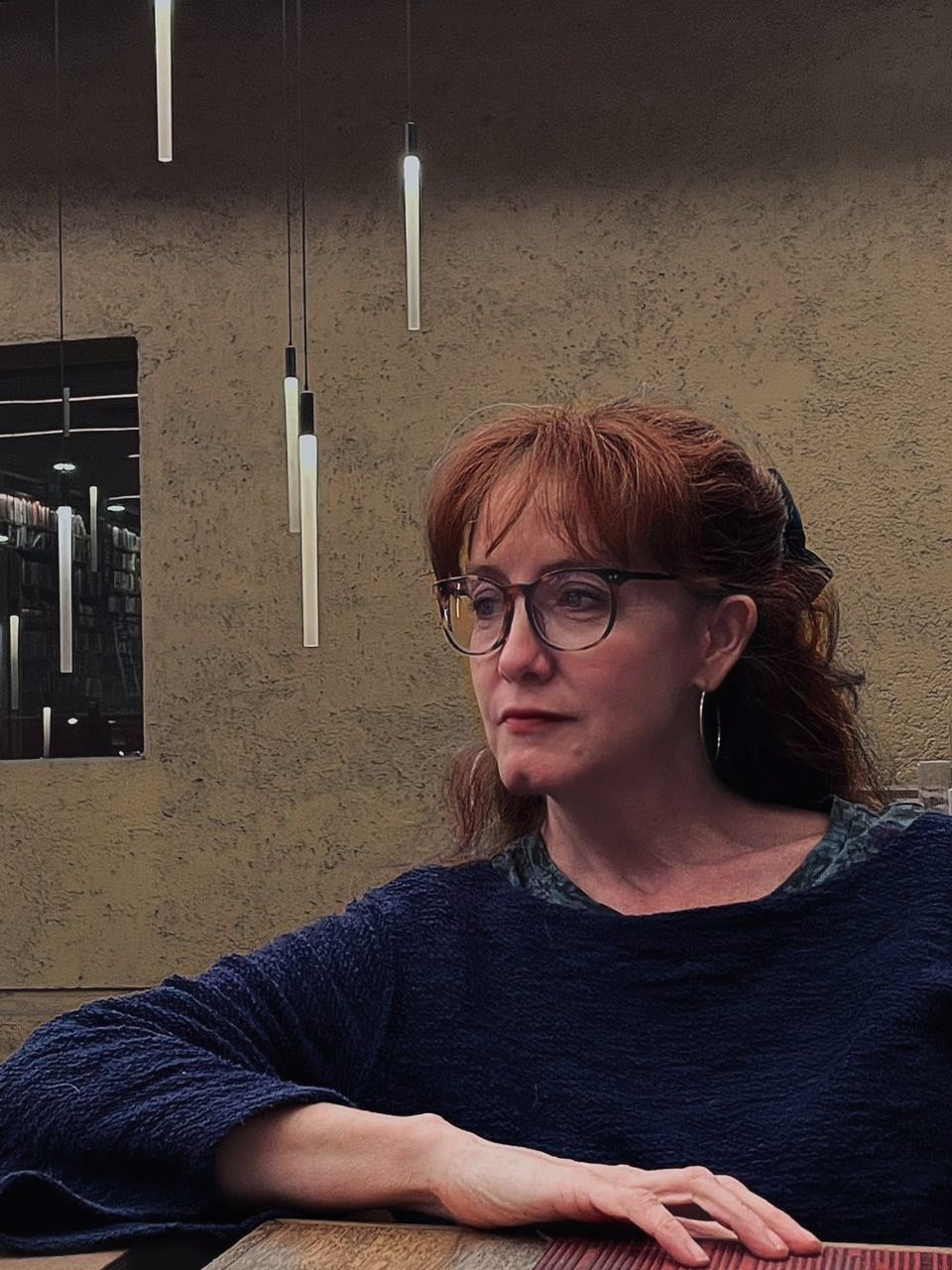
Anne W. Johnson is a Professor in the Graduate Social Anthropology Program of the Universidad Iberoamericana in Mexico City, where she teaches classes on science and technology, anthropology of futures, and material culture. She works with a variety of interlocutors in Mexican outer space milieux, including industry and government actors, scientists, artists, and community members. Her publications about outer space include articles in the Revista Colombiana de Antropología (2023) and Acta Astronautica (2021), and chapters in the edited works Exploring Ethnography of Outer Space (Routledge, 2025), Space Feminisms (Routledge, 2024), and The Routledge Encyclopedia of the Social Studies of Outer Space (Routledge, 2023). Her most recent book, Mexico in Space: From La Raza Cósmica to the Space Race, was recently published by the University of Arizona Press.
Craig Jones (Lancaster University)

Craig Jones is a PhD candidate and Associate Lecturer in Geography at Lancaster University. Craig completed his MRes project entitled ‘Ethnofuturism: Addressing the Cultural Divide in Outer Space’ in 2016 and his PhD research aims to build on this work. His research project ‘(De)Colonising the ‘Final Frontier’: Extraterestrial Extractivism and Ethnofuturist Engagements’ considers the ways outer space is (re)constructed through different sociocultural imaginaries and articulations, centring itself around asteroid mining as a new extractive ‘frontier’. The project has engaged with both actors in New Space Economy and Ethnofuturist artists, exploring how these futures are constructed and how they may be challenged and contested through different sociocultural positionings. Craig has taught on Qualitative Research Methods and on Geosocial Spaces. He has presented work at the RGS-IBG, SiP, POLLEN, and EASST conferences. He is an ESRC 1+3 Studentship recipient.
Morgan Kainu (Space Nation)
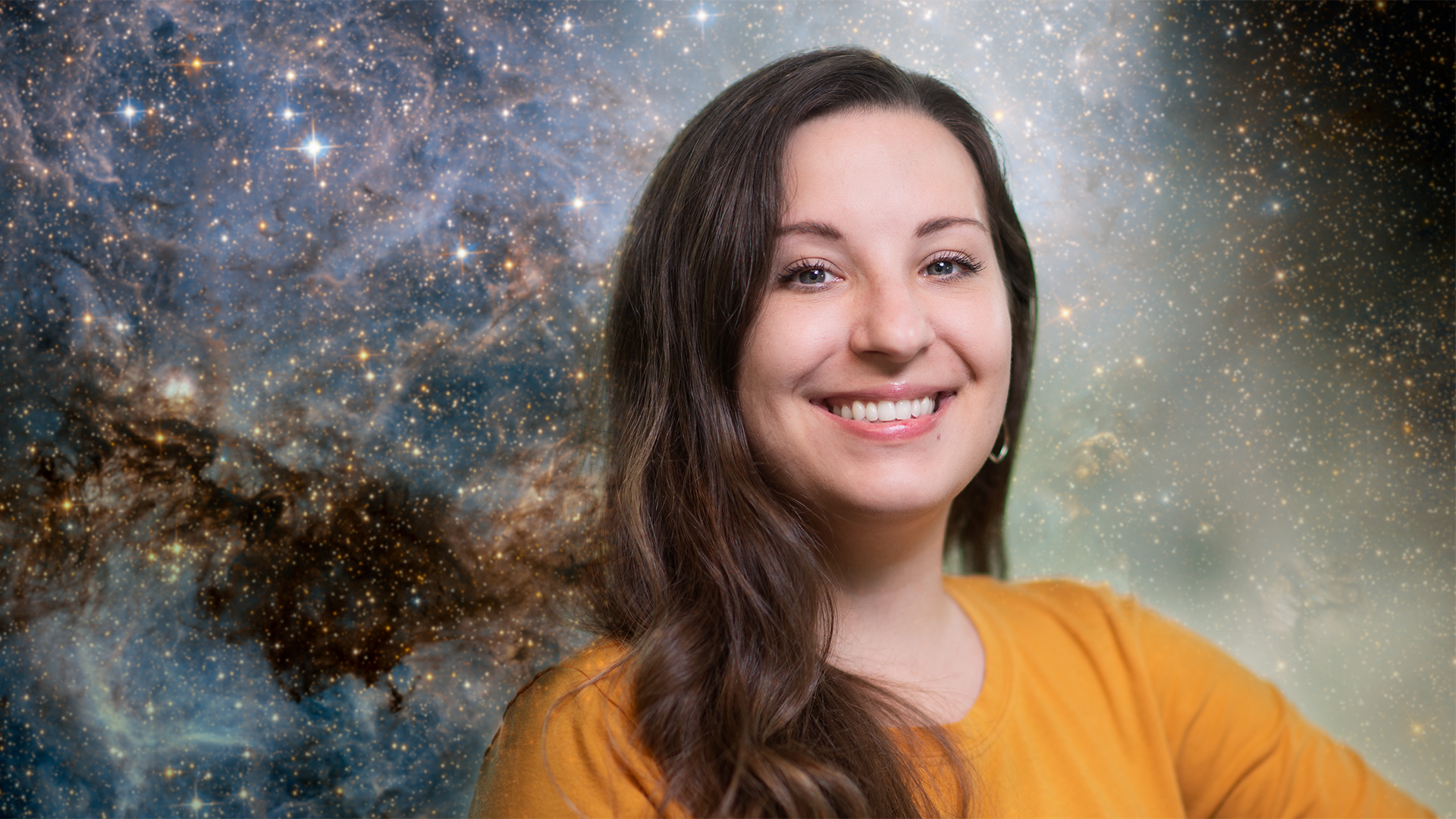
As an applied anthropologist working at the intersection of human culture and aerospace, I specialize in examining how social systems, operational structures, and behavioral dynamics unfold in extreme environments—particularly in analog and off-planet contexts. My research focuses on the lived experiences of those training for and supporting space missions, with an emphasis on psychological resilience, cultural cohesion, and mission adaptability. Beyond ethnographic inquiry, I engage in applied research that informs sustainable space habitat design and mission planning. My current work involves scenario-based mission development and long-duration simulation design, contributing to both technical planning and socio-cultural preparedness. I’m also expanding my focus to include global space policy and commercial strategy, particularly where they intersect with questions of ethics, equity, and access in space futures. I welcome opportunities to collaborate with others exploring the human dimensions of space, especially those invested in interdisciplinary, justice-oriented approaches to our shared extraterrestrial futures.
Nina Klimburg-Witjes (University of Vienna)

Nina is an Associate Professor in the Science and Technology Studies (STS) Department at the University of Vienna. She works at the intersection of STS, SSOS, and Critical Security Studies, focusing on Outer Space Futures and Space Governance. Her work follows emerging issues and controversies (launchers, space debris, militarization, responsibility, exploration and competition) in space policy, industry, and engineering to understand how space futures are imagined and enacted within the shifting landscape of global space politics. As Principal Investigator of the ERC project FutureSpace, she leads an interdisciplinary research group examining how visions of the future are materialized in Europe’s space sector. Nina is currently working on a socio-technical topography of Earth–space relations that attends to the material, spatial, and temporal dimensions of space infrastructures and their politics.
Karlijn Korpershoek (Jagiellonian University)
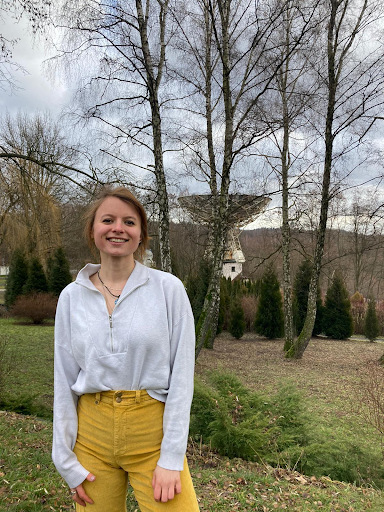
Karlijn Korpershoek is a PhD researcher at the Jagiellonian University. She is part of the ARIES (Anthropological Research into Imaginaries and Explorations of Outer Space) project group and specialises in the social and cultural consequences of large space infrastructures for communities living in their periphery. She is currently in Kourou, French Guiana, for a 7-month research stay to explore the historical, political and social dimensions of the European Space Port. She holds a Bachelor and Master in Social Anthropology from the University of Aberdeen in Scotland.
Eugene Kuchinov (Minin University)
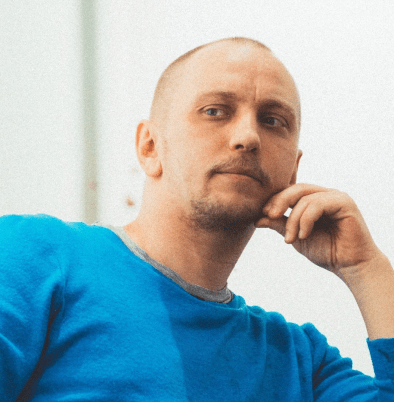
Eugene is a lecturer and head of the “Écrits” Laboratory at Minin University, Nizhny Novgorod, Russia. His work is located at the intersection of the philosophy and history of utopia. A key topic that primarily interests him is that of unfulfilled histories of space exploration and modern cosmic utopias/fiction. He is a historian of Russian Cosmism and a publisher of the texts of anarcho-cosmists, such as the Gordin Brothers and Alexander Svyatogor. His current research project is titled: ‘Cosmos of Anarchy: Technology, Language, Imagination’. It is dedicated to the study of the technological imagination and cosmo-linguistic experiments of Russian anarcho-cosmists, as well as testing the conceptual potential of anarcho-cosmism. Other areas of study thus include cosmolinguistics (from AO to Lincos and further) and cosmotechnics (mainly DIY technologies by enthusiasts and visionaries).
Marcelo Gonzalez Magnasco
President of the Latin American and Caribbean Federation of Scientific Workers (FedLatCI) Vice President of the World Federation of Scientific Workers (FMTS). Secretary of Communications of the Federation of University Teachers’ Unions of South America (FESIDUAS). Secretary of International Relations of the Federation of University Teachers (FEDUN), Argentina. Dean of the Department of Audiovisual Arts at the National University of the Arts. University Professor through public competition. He has directed various postgraduate seminars. Category II researcher. He has been directing research since 2002. Founder of the Postgraduate Program in Art Therapy. Director of the Pasolini Chair and the Gianni Vattimo Program. He has published several books and articles translated into different languages. Radio and TV host. Audiovisual producer. Graduate in Psychology from the UBA.
Alessandra Marino (Open University, UK)
I work as Research Fellow in International Development and Inclusive Innovation within AstrobiologyOU at The Open University (UK). My interest is in Critical Development Studies and issues of justice and ethics, on Earth and beyond. In my role within AstrobiologyOU, I look at how postcolonial and decolonial debates on knowledge production can contribute to critically discussing the frameworks and methods of space research. My research also explores how space technologies are used in International Development programmes funded by different Space Agencies to understand how effective they are at changing people’s lives. This strand of research utilises and adapts the theory of ‘Inclusive Innovation’. I hold a PhD in Postcolonial and Cultural Studies awarded by the University of Naples, L’Orientale (Italy) and I have long been interested in the relation between literary productions and politics. I am the author of Acts of Angry writing (Wayne State University Press, 2015), a monograph based on fieldwork in Adivasi communities in Northern India.
Gemma Milne (University of Edinburgh)

Gemma Milne is a researcher, writer and broadcaster broadly interested in the political economy of deep tech. She is a PhD researcher at the University of Edinburgh looking into the business, social mechanics and narratives of corporate futurism. She is also a research associate at the University of Glasgow in the Social & Digital Change Group; the author of ‘Smoke & Mirrors: How Hype Obscures the Future and How to See Past It’ (2020); co-host of the Radical Science podcast; and a freelance writer and broadcaster for outlets such as the Guardian, the BBC, WIRED and others. She is currently interested in political imagination in the deep tech industry sphere, with a particular focus on so-called ‘New Space’ companies.
Evan Moritz (University of Toronto)
Evan Moritz (he/him) is a PhD candidate at the University of Toronto’s Center for Drama, Theatre, and Performance Studies. His research focuses on performance practices around Resolute Bay, Nunavut, and he explores the outer limits of science-fiction and fact in his performance practices. These research and performance practices are concerned with history and future of habitation, Inuit studies, planetary concerns on Earth & off, and the impact of science fiction on contemporary practices. His thesis project, “Performing Knowledge-making and Habitation in Arctic Canada”, explores the role performance plays in understanding habitation, local biomes, planetary effects, and extraterrestrial exploration.
Michael Murphy (University of Oxford)
I am a migration anthropologist, studying the impacts of humans living and working in space on concepts of identity, belonging, and community formation in extraterrestrial environments.
Anton Nikolotov (College de France)
I am a Marie Sklodowska-Curie Postdoctoral Fellow at the Laboratory of Social Anthropology at the Collège de France. My research explores the relationship between cosmic processes, local economic practices and technocapitalist accumulation. Drawing on economic anthropology, STS and multimodal ethnography, I analyse the commodification of celestial phenomena and alternative forms of valuing the cosmic. In my ongoing project, I examine how the ‘astro-values’ associated with the scientific, tourist, and commercial valuation of the night sky influence disputes over access to celestial observation in Kazakhstan. In another complementary project, I trace the biographies and value transformations of meteorites from Central Asia and former Soviet spaces as they circulate through European meteorite markets and scientific research networks. Before these projects, I conducted collaborative research on dreams and sleeping with migrant market workers in Russia and completed my doctoral studies at Humboldt University in Berlin, focusing on the moral economies of bazaar workers in Moscow.
Aaron Parkhurst (University College London)
My research interests are broadly focused in medical anthropology, the anthropology of science and genetics, cyborg anthropology and space medicine, anthropology of the body, and anthropology of Islamic societies. My PhD research focused on the ways in which identity is constructed in the United Arab Emirates in the face of religion, rapid development, health systems, technology, and immigration. My thesis, Genes and Djinn: Anxiety and Identity in Southeast Arabia, draws upon ethnographic data collected over three years in Dubai and Abu Dhabi to explore how foreign knowledge systems, both medical and social, are incorporated into indigenous bodies of knowledge to reshape the ways in which local people see themselves in the world. New research projects include ethnographic studies of British cyborgs, new bioethics, Medical Materiality, the anthropology of emerging technology, the anthropology of sport, the anthropology of space, and health policy and planning in the UK.
Julie Patarin-Jossec (DePaul University)
Julie Patarin-Jossec holds a PhD in sociology from the University of Bordeaux (France). Her dissertation was entitled ‘Human spaceflight in the symbolic economy of the European building’. Based on a three years ethnography of the astronaut training and ground support activities in European and Russian control centres, it emphasised the role of the International Space Station programme in the reconstruction of post-Soviet Europe ‘from the below’, e.g. from the astronauts’ embodiment process. Her forthcoming book, ‘The manufacture of the astronaut: a terrestrial ethnography of the International Space Station’, partly results from this research. As part of her ethnography, she uses art-based methods and visual sociology, including photography and documentary cinema. She currently teaches at St. Petersburg State University (Russia). With a keen interest in design and always in a visual studies perspective, she recently developed research projects dedicated to space habitats and the future of human life in space exploration contexts. Website here.
Inga Popovaite (Kaunas University of Technology)

Dr. Inga Popovaite is a researcher at Kaunas University of Technology. She received her PhD in Sociology at the University of Iowa. In her work, Inga examines how society-level inequalities influence small group dynamics in environments that share some similarities with human space flight and long-term extraterrestrial habitats (space analogs). Her recent work has been published by the Journal of Human Performance in Extreme Environments and Acta Astronautica. Her writings have also been published by The Conversation and Space News. Website here.
Joseph Popper (University of Vienna)
Joseph Popper was a post-doctoral researcher for the ERC Starting Grant project FutureSpace at the University of Vienna. He holds a PhD from the Basel Academy of Art and Design FHNW and the University of Art and Design in Linz. His research primarily focuses on the production and narration of outer space, visions of outer space futures, and the relations of outer space practices with Earthbound conditions. His writing has featured in academic journals and design publications, and he has presented his research at space industry and science technology studies conferences. Joseph is also an artist and designer and holds an MA in Design Interactions from the Royal College of Art. His works are exhibited internationally, including at La Gaîté Lyrique in Paris, La Panacée Centre in Montpellier, Baltic Centre for Contemporary Art in Gateshead and the Vitra Design Museum in Weil am Rhein.
Gabriela Rădulescu (National Air and Space Museum)

Gabriela Rădulescu is interculturally trained, holding a BA in Philosophy (University of Bucharest), an MA in Social Anthropology (National University of Political Studies and Public Administration, Bucharest), and an MA in the History of Ideas and Science (University of Iceland). She earned her PhD in the history of science (Technical University of Berlin) with a dissertation titled “A History of Communication with Extraterrestrial Intelligence (CETI): Astronautics and Radio Astronomy Across the Iron Curtain (1956–1976)”. Her thesis offers the first highly contextualized historiographical account of CETI/SETI, examining the political origins and early development of what is still known today as the Search for Extraterrestrial Intelligence (SETI). Currently a Guggenheim Postdoctoral Fellow at the Smithsonian National Air and Space Museum, she focuses on Soviet and international CETI/SETI efforts, as well as on her first book on the roots of SETI in space diplomacy within international astronautical organizations. Apart from publishing academically, Gabriela has experience as a science and ideas communicator. She has organized public events (TEDxReykjavík), written essays that bridge academic research with public discourse (Allegra Lab, Somatosphere, National Air and Space Museum Blog, The Conversation), and spoken at outreach events (Massachussets Space Week).
Anna Lisa Ramella (Leuphana University Lüneburg)
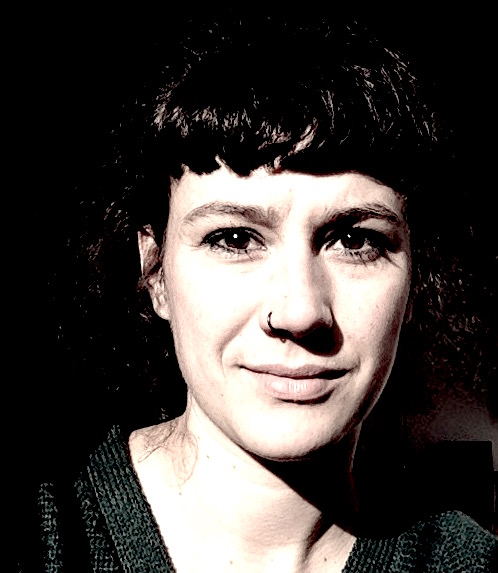
Anna Lisa Ramella is a visual/media anthropologist and junior professor for methods of cultural studies at Leuphana University Lüneburg. She is currently working on sustainability, mobility and the unknown in outer space research. Other research projects focus on future-making, migration and ruinations in the Kenyan Rift Valley, as well as on rhythm, mobility and media practices of touring musicians in the context of the digitization of music in Europe and the US. Website here.
Lauren Reid (Leuphana University)
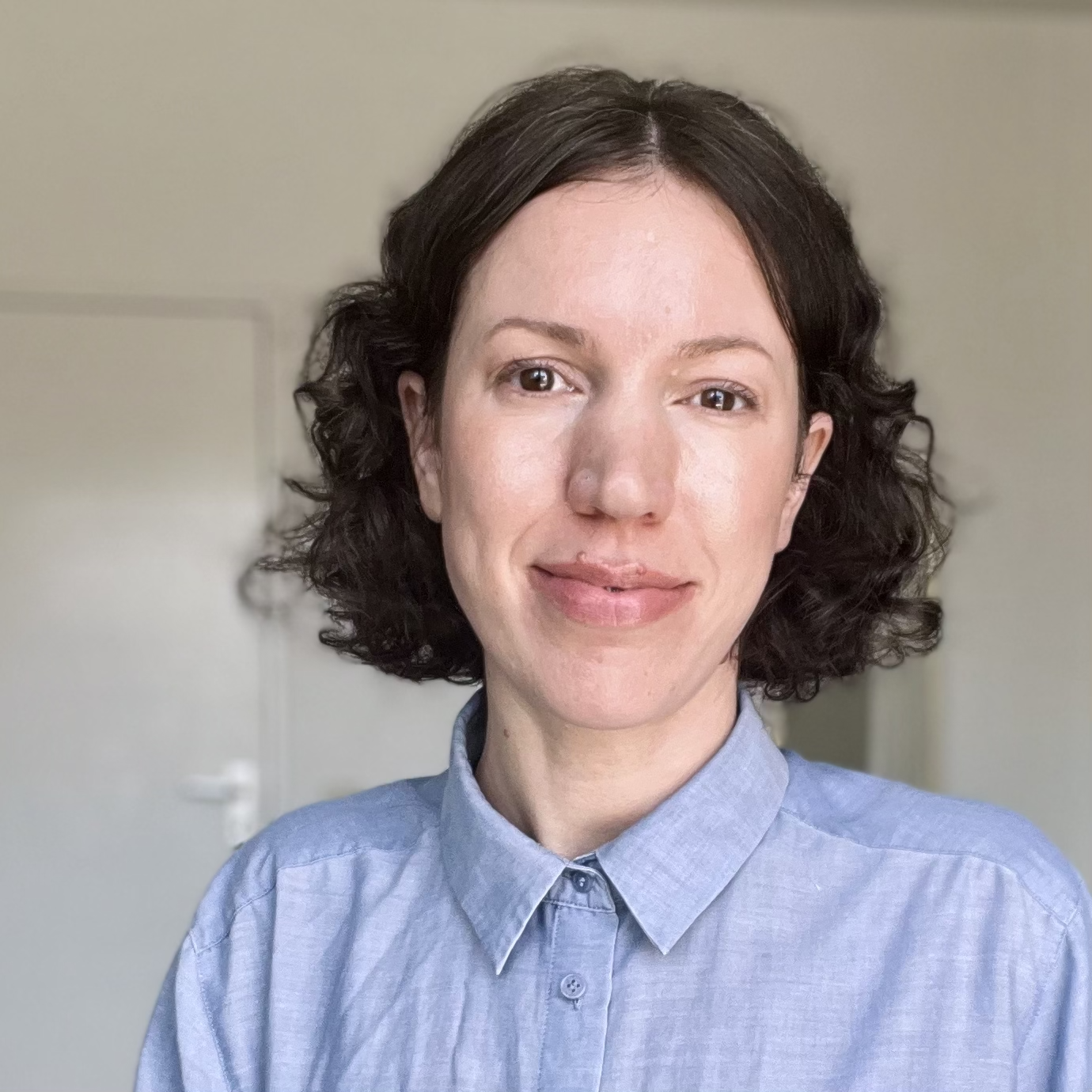
Lauren Reid is an anthropologist and Guest Researcher at Leuphana University’s Center of Methods. She holds a PhD in Social and Cultural Anthropology from Freie Universität Berlin, where her dissertation “Thinking Beyond the Final Frontier: Cosmic Futures in Thailand” examines how futures beyond Earth are imagined and enacted in Thailand. Drawing on 12 months ethnographic fieldwork focused on the disparate space exploration practices of astronomical, ufological, and Buddhist communities, her research offers a decolonial reading of space exploration that foregrounds multiplicity in cosmic engagements. Her research interests include pluriversal thought, religion and science entanglements in outer space, postcolonial STS, and multimodal ethnographic methods. She is particularly interested in how outer space offers a critical frame for rethinking anthropological theory, method, and writing. Alongside her academic work, she has worked as an independent curator, with exhibitions in Australia, Luxembourg, Denmark, and other locations. Email: lauren@lauren-reid.com Website: lauren-reid.com
Deborah Scott
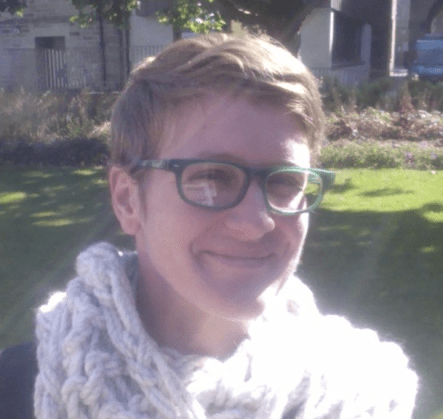
I’m a human geographer (PhD 2015, Rutgers University) and lawyer (JD 2005, Lewis & Clark Law School). As part of the Engineering Life project, led by Jane Calvert, I focus on the governance of synthetic biology, decision-making around emerging technosciences, and the political theory behind and practice of Responsible Research and Innovation. I’m passionate about outer space law and policy, and the narratives of science, exploration, and (de)colonization that guide these. I am currently leading Scotland in Space, a project bringing together sci-fi authors, space scientists, and social scientists and humanities scholars to develop short stories and accompanying essays exploring issues of identity, nationhood, connection to others, and relationships with and through technology.
Research interests include planetary protection policies, synthetic biology and outer space, and using speculative fiction to explore alternative visions of humanity’s engagement with space with stakeholders and various publics.
Denis Sivkov (Moscow School of Social and Economic Sciences)
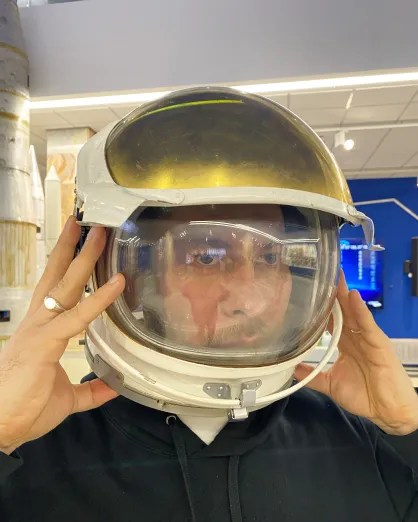
Denis Sivkov is a lecturer with the Institute for Social Sciences at the Russian Presidential Academy of National Economy and Public Administration, in Moscow, Russia. He received his PhD in Philosophy from Volgograd State University. His work is located at the intersection of STS and the anthropology of outer space. His current research project, ‘Space Exploration at Home: Amateur Cosmonautics in Contemporary Russia’, focuses on non-commercial and non-professional projects of space exploration in post-Soviet Russia. This research examines how outer space and space exploration might come to matter not only at the level of nation-states and humanity as whole but in the private sphere of ordinary people. Amateur cosmonautics could demonstrate new ways of inventing, new ways of redistributing time and work resources, as well as alternative methods for sourcing and testing technologies, materials and components for the extreme environments of outer space. Other research interests include the ontological turn in space exploration, Soviet and Russian cosmonaut’s diaries as ethnographic documents, and video ethnography of spacewalks.
William Stewart (University College London)
William Stewart is a PhD candidate in political geography at University College London, where his research explores diplomacy and international cooperation aboard the International Space Station.
A.R.E. Taylor (University of Exeter)

A.R.E. Taylor is Senior Lecturer in Communications at the University of Exeter (UK) and one of the founders of the Social Studies of Outer Space (SSOS) Network. He is an anthropologist of data and communications infrastructure and a former Marconi Fellow in the History and Science of Wireless Communication at the University of Oxford. His research concentrates on the material infrastructure that underpins communications services, with a key focus on data centres and satellites. He is especially interested in disruptions to service caused by space weather. He has written about space weather for the infrastructure studies journal Roadsides. His writing has also been published in venues such as The Routledge Handbook of Social Studies of Outer Space, New Media & Society, The Journal of the Royal Anthropological Institute, Ephemera, Culture Machine, The Routledge Companion to Media Anthropology, Failed Architecture, The Conversation and The Resilience Shift, among others. He is an Editorial Assistant for the Journal of Extreme Anthropology and a founder of the Cambridge Infrastructure Resilience Group (CIRG), a network of researchers exploring critical infrastructure protection in relation to global catastrophic risks.
Makar Tereshin (University of Tartu)

Makar Tereshin received a Bachelor’s degree in Liberal Arts and Sciences from Saint Petersburg State University. Currently he is working on an MA thesis at the University of Tartu. As an anthropologist he is conducting long-term fieldwork in the European North of Russia, within areas involved in the activity of the Plesetsk Launch Site. His research focuses on local people’s strategies of coping with reality in the context of post-socialist transition and practices of cosmic metal collection (used boosters falling into the local forests after launches) and its distribution. He is interested in how the practices that emerged at the time are built into existing customary laws and local systems of interaction with the surrounding landscape and resources. Another focus of his research is the relationship of different communities, neighboring the ranges, with the Cosmodrome and the state authorities in the framework of the Russian space program and its impact on the area.
Peter Timko (Jagiellonian University)
Peter Timko is a PhD researcher at Jagiellonian University and part of the ARIES (Anthropological Research into Imaginaries and Explorations of Outer Space) project. His current work focuses on the social, political, and economic dimensions of the new space economy. He holds a MSc in urban and cultural geography from Radboud University, where he studied precarious labour in the platform economy, and was a research fellow at the PUTSPACE research project at Université libre de Bruxelles. Before joining the ARIES project he was a public librarian, writer, and on-demand delivery cyclist.
Richard Tutton (University of York)
Richard Tutton is Senior Lecturer in the Department of Sociology and co-Director of Science and Technology Studies Unit (SATSU) at the University of York. Since 2015, Richard has been developing research interests in ‘multiplanetary imaginaries’ – in other words, how imagined futures of human beings living on other planets and on Earth are made, performed, and contested. He is especially interested in the role of entrepreneurs such as Elon Musk and Jeff Bezos in the contemporary space sector.
Enrike van Wingerden (University of Amsterdam)

Enrike van Wingerden is a lecturer and researcher at the University of Amsterdam and the Erasmus University Rotterdam. Her work connects environmental politics, colonial histories, and the politics of science and technology. She is collaborating with Darshan Vigneswaran on the Decolonizing Outer Space project, which includes the Space Settlements Database and several research papers on the politics of outer space, such as The Terrestrial Trap: International Relations Beyond Earth. Additionally, Enrike is leading the Satellite Empire project, which investigates the influence of imperial legacies on the new space age through the politics of satellite infrastructure. This project explores the geopolitical impact of the growing importance of satellite imagery and data. It is based on extensive ethnographic fieldwork conducted at emerging satellite launch sites, focusing on both equatorial and polar orbits.
Matjaz Vidmar (University of Edinburgh)

Matjaz Vidmar is a Lecturer in Engineering Management and Deputy Director of the Institute for the Study of Science, Technology and Innovation at the University of Edinburgh, in Scotland, UK. His background is in Physics and Astronomy as well as Social Science, with a PhD in Science and Technology Studies on the topic of organisational learning and innovation processes within high-tech domains. His research is examining systems engineering within emerging technology, especially R&D networks and processes, innovation intermediation and futures design. He is working in particular with the satellite and space data, biotechnology and artificial intelligence. He is also involved in many international initiatives to develop the future of these fields, including several start-up companies and an extensive public engagement programme on STEM and arts, and futures literacy. You can find more about Matjaz, his work, and how to get in touch, at: http://www.blogs.ed.ac.uk/vidmar.
Darshan Vigneswaran (University of Amsterdam)
Darshan Vigneswaran is an Associate Professor at the University of Amsterdam. Most of his work is on the politics of migration, but he has been recently been shifting focus to study the movement of humans to outer space environments. He partners with Enrike van Wingerden on the Decolonizing Outer Space project. This team has recently published an article on the ‘Terrestrial Trap’ which seeks to explain what could be gained if Political Science and International Relations scholars began to pay more attention to outer space. They have also built the Space Settlements Database, which lists all of the actors and projects currently working on crewed missions to outer space environments. At present, Darshan is building a project called LUNARGOV, which seeks to understand the constitutional structure of a human community on the moon through grounded work with expert communities in Europe.
Daniel Walsh (Northumbria University)
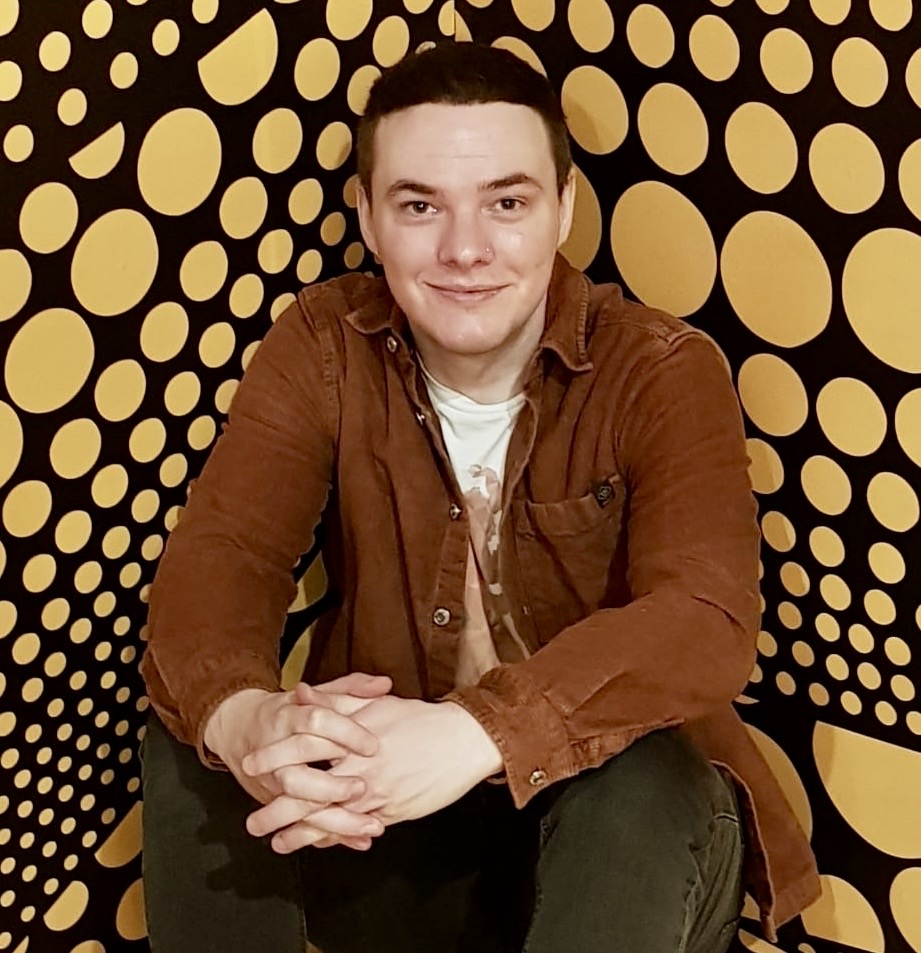
Daniel Walsh is a PhD candidate in Human Geography at Northumbria University (Newcastle, UK). Situated at the intersection of economic geography, political geography, and geopolitical ecology, his research focuses on the ‘production assemblages’ of spaceflight in the Gulf South and New Mexico, United States. In particular, his research will investigate the interrelationships between the commercialisation and securitisation of outer space, and associated political-economic and socio-ecological inequities, across each phase of the production process of commercial launch vehicles and other spacecraft. Daniel will undertake in-depth ethnographic fieldwork in 2026. Daniel also serves on the Advisory Board for the Global Network Against Weapons and Nuclear Power in Space.
 Social Studies of Outer Space